
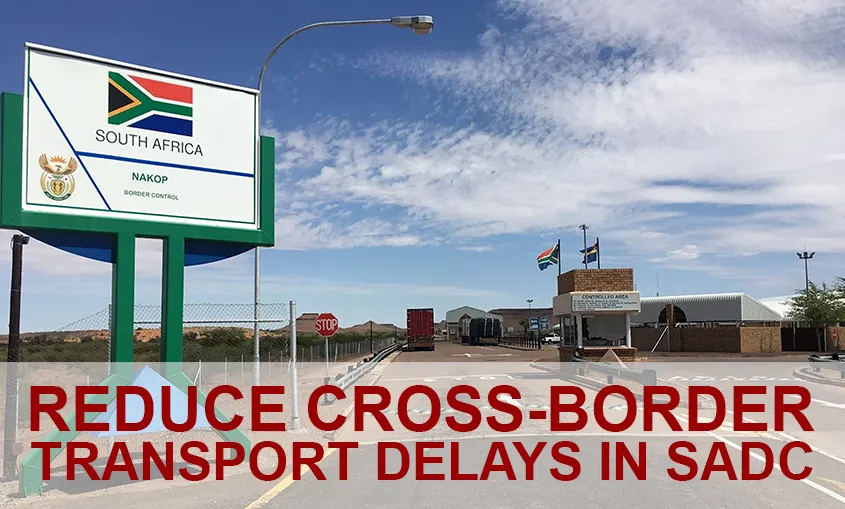
How to Reduce Cross-Border Road Freight Delays in SADC: What Shippers Should Plan Before Dispatch
Cross-border road freight plays a critical role in moving goods across the Southern African Development Community (SADC). Every day, trucks transport bulk commodities, agricultural products, industrial materials, and equipment between countries such as Namibia, South Africa, Botswana, Zambia, Zimbabwe, Angola, and beyond.
While road transport offers flexibility and direct delivery between origin and destination, cross border transport services across SADC can be affected by delays at border posts, documentation issues, route inefficiencies, and operational challenges. In a region where road freight logistics plays a key role in trade, even small delays can have a significant impact on delivery timelines.
For businesses relying on timely delivery, these delays can disrupt supply chains, increase costs, and impact production schedules. The good news is that many of these delays can be reduced with proper planning before dispatch.
As a Namibia-based road freight logistics company, CBM Logistics specialises in cross-border trucking across SADC using established regional transport routes. Understanding what to plan before dispatch is essential for improving efficiency and keeping cargo moving.
Why Delays Occur in Cross-Border Road Freight
Cross-border transport involves more than simply moving cargo from one point to another. Each shipment must pass through border control processes, customs inspections, and regulatory checks that vary between countries.
Delays often occur due to incomplete documentation, incorrect cargo declarations, permit issues, or congestion at major border posts. In high-traffic corridors across SADC, trucks can experience extended waiting times if processes are not handled correctly.
Understanding the common causes of delays allows businesses to prepare more effectively and avoid disruptions that impact delivery schedules and operational efficiency.
The Importance of Pre-Dispatch Planning
Effective logistics planning begins before a truck leaves the loading site. Pre-dispatch preparation ensures that all requirements are met before reaching border crossings, reducing the risk of delays during transit.
Proper planning includes verifying documentation, confirming route conditions, coordinating loading schedules, and ensuring compliance with transport regulations across multiple countries.
Businesses that invest time in pre-dispatch planning benefit from smoother operations, improved delivery timelines, and reduced transport costs over the long term.
Ensure Accurate and Complete Documentation
Documentation is one of the most important factors in cross-border logistics. Incomplete or incorrect paperwork is one of the leading causes of delays at border posts across SADC.
Before dispatch, all shipping documents must be verified and aligned with cargo details. This includes commercial invoices, transport permits, customs declarations, and any required regulatory documentation.
Accurate documentation ensures that shipments can move efficiently through customs processes without unnecessary inspections or hold-ups. It also helps avoid penalties, fines, and additional administrative delays.
Plan Efficient Routes Across SADC Corridors
Route planning plays a major role in reducing transport delays. Not all routes offer the same efficiency, and some border crossings experience higher congestion than others.
Choosing the right corridor based on cargo type, destination, and current conditions can significantly impact delivery time. Factors such as road conditions, border traffic, and seasonal demand should be considered when planning transport routes.
CBM Logistics operates across key SADC transport corridors, ensuring cargo moves through efficient routes that minimise delays and optimise delivery performance.
Prepare Cargo for Cross-Border Compliance
Cargo preparation is another critical step in reducing delays. Goods must be correctly packaged, labelled, and declared according to regional transport and customs requirements.
Improperly prepared cargo can result in inspections, reclassification, or rejection at border points. This can significantly delay shipments and disrupt logistics schedules.
Businesses transporting bulk commodities, minerals, grain, fertiliser, and heavy equipment must ensure cargo is properly secured and documented to meet cross-border transport standards.
Coordinate Timing and Dispatch Schedules
Timing plays an important role in cross-border logistics. Dispatching cargo without considering border operating hours, peak traffic periods, or regional holidays can lead to unnecessary delays.
Coordinating dispatch schedules with transport operators and route planning teams helps ensure that shipments arrive at border crossings during optimal times, reducing waiting periods.
Efficient scheduling also improves fleet utilisation and allows businesses to better manage delivery expectations across multiple destinations.
Work with Experienced Cross-Border Transport Partners
One of the most effective ways to reduce delays is to work with a transport company that understands cross-border logistics across SADC. Experience in regional trucking operations allows logistics providers to anticipate challenges and manage them proactively.
Transport partners handle route planning, documentation coordination, cargo compliance, and communication throughout the journey. This reduces the burden on businesses and ensures smoother operations from dispatch to delivery.
CBM Logistics provides cross-border road freight services across Southern Africa, supporting industries that rely on efficient transport between Namibia, South Africa, Botswana, Zambia, Zimbabwe, and surrounding regions.
Keeping Supply Chains Moving Across Southern Africa
Reliable cross-border transport is essential for maintaining supply chains across SADC. Industries such as mining, agriculture, and manufacturing depend on consistent delivery schedules to maintain operations.
Delays in transport can impact production timelines, increase operational costs, and disrupt supply agreements. By improving planning and coordination before dispatch, businesses can reduce these risks and maintain steady operations.
Cross-border road freight will continue to play a key role in regional trade, making efficient logistics planning more important than ever.
Plan Smarter to Reduce Cross-Border Delays
Reducing delays in cross-border road freight starts with preparation. From accurate documentation and route planning to cargo readiness and scheduling, every step before dispatch contributes to smoother transport operations.
Businesses that take a proactive approach to logistics planning are better positioned to move cargo efficiently across borders and maintain reliable supply chains.
To learn more about CBM’s transport services, SADC routes, and cargo capabilities, get in touch with our team and plan your next cross-border shipment with confidence.