

Cross-border road freight plays a critical role in trade across the Southern African Development Community (SADC). For businesses transporting bulk commodities, equipment, or heavy loads between countries, road transport services remains one of the most flexible and dependable options.
Understanding cross-border road freight in SADC
Transporting commodities across SADC borders involves navigating multiple national jurisdictions, each with its own customs procedures, compliance requirements, and infrastructure conditions. While road freight allows for direct delivery and flexible routing, it also requires careful planning to avoid delays along key cross-border transport routes.
Common challenges businesses face
Businesses unfamiliar with cross-border logistics and transport often encounter challenges such as documentation delays, border congestion, route limitations, and compliance issues. These factors can increase costs and disrupt supply chains if not managed properly.
Key documentation for cross-border road freight transport
Successful cross-border road transport across SADC depends on accurate and complete documentation. Common requirements include commercial invoices, packing lists, customs declarations, permits, and transit documentation. Missing or incorrect paperwork is one of the most common causes of border delays in Southern Africa.
Cross-border documentation explained (what each document is for)
In SADC cross-border road freight, documentation is not just an admin task — it is what determines whether a shipment clears smoothly or sits delayed at a border. Many delays happen when paperwork is incomplete, inconsistent, or does not match the actual cargo on the truck.
A commercial invoice confirms what is being sold or moved, the parties involved, and the declared values used for customs processing. A packing list supports the invoice by detailing quantities, weights, packaging type, and how cargo is arranged. These two documents must align closely to support accurate customs assessment and efficient clearance.
Customs declarations capture the official cargo details required for clearance and transit. In many cases, permits and supporting documents are also needed depending on cargo category, weight, or route requirements. This is especially important for specialised loads such as bulk commodities, equipment, and heavy transport movements.
To reduce border issues, businesses should ensure the following are consistent across documents:
- Correct cargo descriptions (avoid vague wording)
- Accurate quantities, weights, and packaging details
- Declared values that match invoice totals
- Correct consignee/consignor and delivery details
- Supporting documents match the actual shipment
A practical way to avoid delays during cross-border transport to SADC markets is to prepare documentation before loading, verify it as a complete set, and confirm it matches the cargo and route plan. When paperwork is accurate and consistent, clearance tends to be faster, and cross-border transit becomes far more predictable.
Cross-border freight checklist for regional shippers
Businesses preparing cross-border transport can reduce delays by planning ahead. A simple checklist before dispatch often makes a significant difference.
- Confirm cargo classification and HS codes
- Prepare invoices and packing lists in advance
- Verify permit requirements for each country
- Check border operating hours and holidays
- Ensure cargo weights comply with corridor limits
- Confirm insurance and transport documentation
Working through these steps before loading helps avoid disruptions at border posts.
Managing border delays and planning realistic transit times
Transit times in cross-border road freight depend on more than distance. Border queues, inspections, seasonal demand, and varying operating hours can significantly influence delivery schedules across Southern Africa.
Effective logistics planning includes realistic buffer time for border crossings, awareness of peak traffic periods, and contingency routing where necessary. Operators that understand corridor conditions are better positioned to anticipate disruptions rather than react to them.
Businesses that build flexibility into schedules reduce pressure on supply chains and improve coordination with receivers. Predictable transit planning supports more stable regional trade operations.
Regional considerations across SADC
Cross-border road freight operations across SADC often involve routes linking multiple SADC countries including Namibia, South Africa, Botswana, Zambia, Zimbabwe, Angola, and the Democratic Republic of Congo. Each corridor presents different regulatory, infrastructure, and transit considerations that must be factored into transport planning.
Why specialised road logistics matters
Logistics providers that specialise strictly in road transport develop deeper operational knowledge of border processes, regional routes, and cargo handling requirements. This expertise helps reduce delays and improves delivery predictability across Southern Africa.
How to choose a cross-border logistics partner in SADC
Selecting the right logistics partner is one of the most important decisions for businesses moving cargo across SADC borders. Cross-border transport is complex, and working with an experienced provider can significantly reduce risk, delays, and unexpected costs.
A reliable cross-border logistics partner should understand regional border procedures, corridor requirements, and country-specific regulations. This knowledge helps ensure shipments move smoothly between jurisdictions without unnecessary disruptions.
Experience in handling your type of cargo also matters. Bulk commodities, mining inputs, agricultural goods, and heavy equipment often require different planning approaches, documentation accuracy, and loading considerations.
Communication is another key factor. Businesses benefit from logistics providers that share realistic transit expectations, notify clients of delays, and provide clear coordination throughout the transport journey.
Compliance awareness is equally important. Transporters familiar with permits, weight limits, and border requirements help prevent regulatory issues that can stop shipments at crossings.
Finally, consistency and reliability build long-term trust. A dependable logistics partner focuses on planning, route knowledge, and operational discipline to support stable supply chains across Southern Africa.
Working with a specialist in regional road freight gives businesses greater confidence that cargo will move efficiently across SADC corridors.
CBM Logistics’ cross-border approach
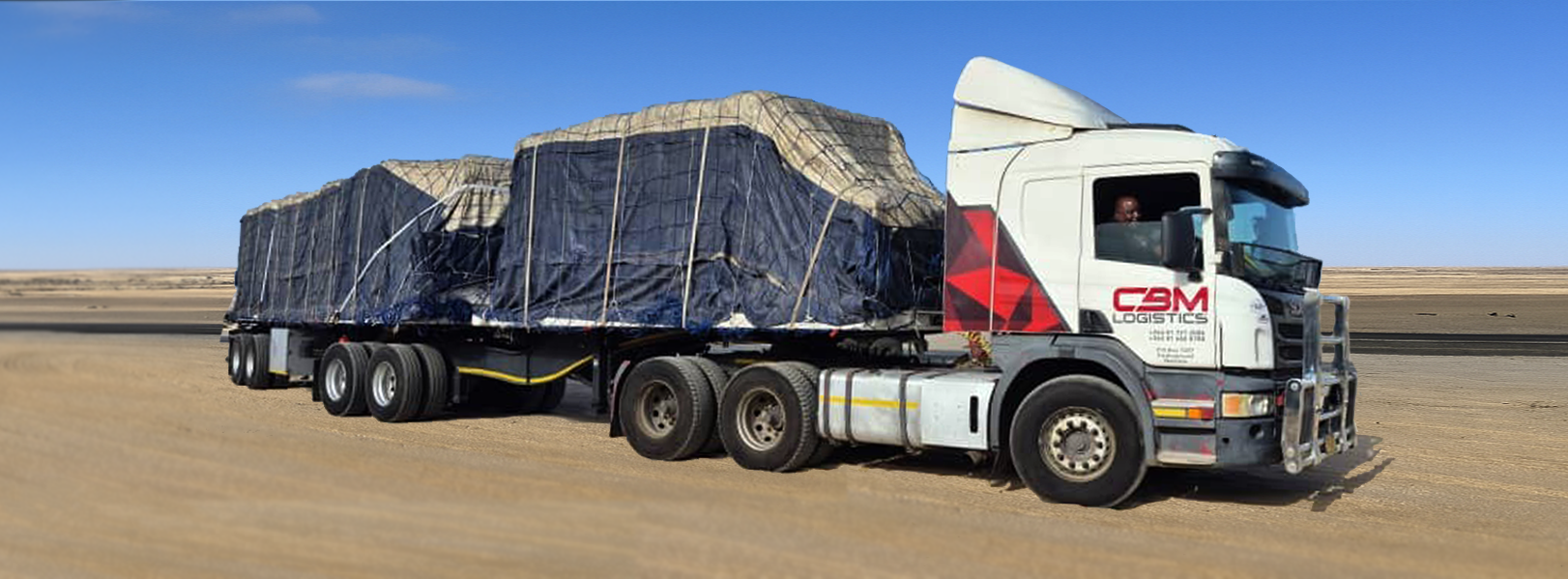
CBM Logistics provides road freight logistics services across SADC, supporting the movement of bulk commodities, metals, minerals, grain, fertilizer, equipment, and heavy loads. By operating strictly by road, CBM focuses on practical routing, cargo planning, and cross-border coordination.
A key advantage of working with a dedicated road freight operator is regional familiarity. Understanding border procedures, corridor conditions, and documentation requirements helps shipments move with fewer disruptions.
CBM works closely with clients to plan loads, align documentation, and schedule realistic transit timelines. This planning-focused approach helps businesses maintain more predictable supply chains across SADC.
For companies moving bulk or specialised cargo within Southern Africa, working with a transport partner that understands regional logistics realities can improve reliability, coordination, and overall transport performance.
Frequently asked questions about cross-border road freight
How long do cross-border deliveries take?
Transit times vary depending on route distance, border activity, inspection procedures, and seasonal demand. Well-planned road freight operations include buffer time to account for potential congestion and documentation checks at key crossings.
What causes the biggest border delays?
The most common causes of delays include incomplete or inconsistent documentation, inspection backlogs, permit issues, and peak traffic periods. Accurate paperwork and pre-dispatch verification significantly reduce the likelihood of extended border waiting times.
Is road freight reliable across Southern Africa?
Yes. Road freight remains one of the most widely used and adaptable transport modes in the region. When routes, documentation, and transit planning are managed properly, cross-border trucking offers dependable delivery performance.
What cargo typically moves by cross-border trucking?
Common cargo includes minerals, grain, fertilizer, equipment, fuel, and other bulk commodities. Heavy loads and specialised cargo also move by road when supported by the appropriate permits and transport planning.
Conclusion
Cross-border road freight remains essential to regional trade across SADC. With proper planning and experienced logistics partners, businesses can move goods efficiently while minimising risk and operational disruption across complex regional corridors.